How to Calculate Square Footage: Complete Guide with Formulas & Examples
Calculating square footage is simple: measure the length and width of a space in feet, then multiply them together. A rectangular room that is 12 feet long and 10 feet wide contains 120 square feet. For more complex shapes, such as L-shaped rooms, triangles, circles, walls, and whole houses, use the matching formula for each section and add the results together when needed. This guide explains every common scenario step by step so you can measure with confidence.
If you are asking how many square feet are in a room, how to measure square footage for flooring, or how to calculate square footage of a house for a listing or renovation, the process always begins with clean dimensions and the right formula for the shape. The sections below move from the basic formula into irregular rooms, walls, project-specific applications, and unit conversions.
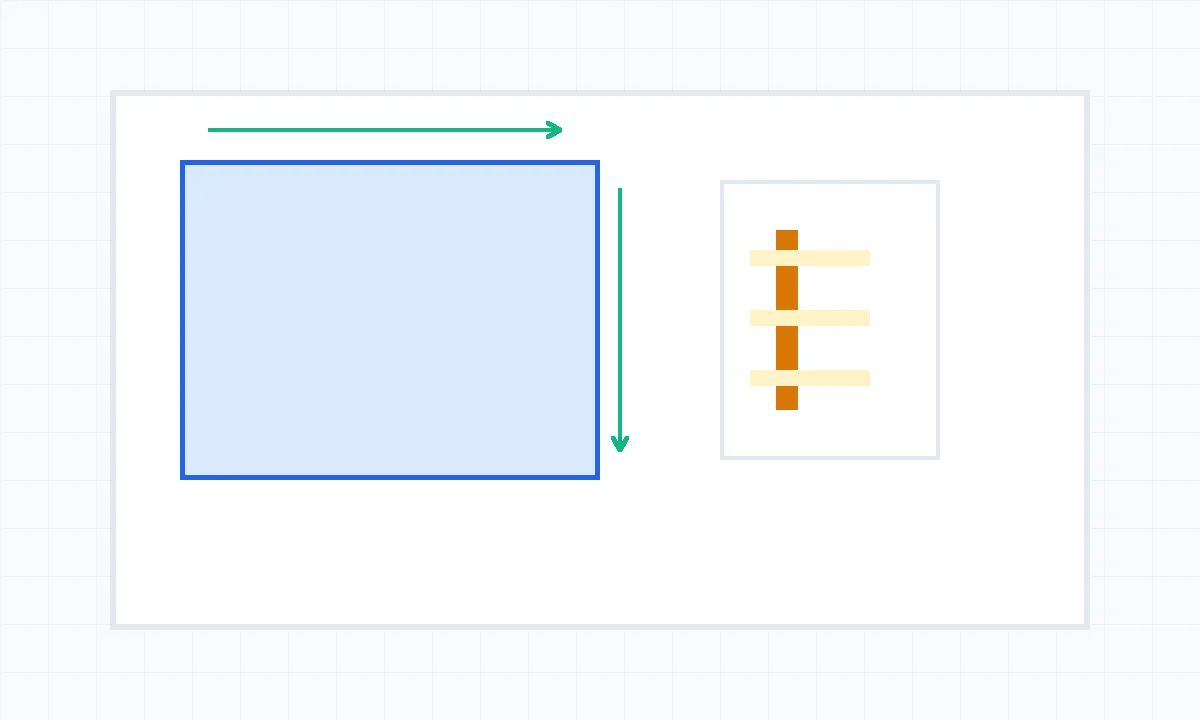
What Is Square Footage?
Square footage is the flat area of a surface measured in square feet, usually written as sq ft. People use it to compare homes, estimate material quantities, plan remodels, and understand room size more clearly. In practical terms, square footage matters in real estate, flooring, painting, tiling, and renovation budgeting because it turns a room measurement into a usable area number. One square foot equals 144 square inches and about 0.0929 square meters.
In everyday use, square footage describes the size of a room, apartment, house, office, patio, or wall surface. The number helps you compare properties, estimate materials, and explain scope. It is especially useful because the same area number can be reused across many tasks: flooring orders, tile counts, paint coverage, furniture planning, and even early HVAC or energy conversations all start with a clear area measurement.
Square Footage Formula (The Basics)
Square footage equals length times width when the space is a rectangle or square.
Example: a room that is 15 feet long and 10 feet wide contains 150 square feet because 15 x 10 = 150. That is the base square footage formula behind many room measurements, material estimates, and listing calculations.
The formula stays the same no matter why you need the number. A landlord comparing units, a homeowner ordering flooring, and a contractor planning tile all start with the same area equation. The difference comes later, when you decide whether to add waste, exclude certain spaces, or subtotal several rooms for a whole-house measurement.
How to Calculate Square Footage of a Room (Step-by-Step)
The fastest method is to measure the room, use the right formula for the shape, and then repeat the process room by room if you need a house total. The four-step process below works for most residential measurement jobs.
This workflow also makes it easier to double-check your work. When you know where each dimension came from and you can see how each room total was produced, it becomes much easier to spot a missing closet, a mixed unit, or a room that should have been split into smaller sections before the final number was trusted.
Step 1: Measure the Length
Use a tape measure to record the longest dimension of the room in feet. If the measurement includes inches, convert it to decimal feet before multiplying. For example, 10 feet 6 inches becomes 10.5 feet.
Step 2: Measure the Width
Measure the shorter dimension perpendicular to the length. Using interior wall-to-wall measurements gives you the floor area instead of an outside building dimension.
Step 3: Multiply Length x Width
Multiply the two numbers together. If a room is 12 feet by 11 feet, the area is 132 square feet. This is the core square footage calculator formula for a standard room.
Step 4: Repeat for Each Room and Add Together
For a whole house, measure each room separately and total the results at the end. If you want a faster workflow,use our free house square footage calculator, which keeps every room in one running total.
The reason this method scales well is that it works for one room, a whole floor, or an entire house. The only thing that changes is the number of rooms in the list and whether some rooms need special formulas because of irregular geometry.
How to Calculate Square Footage by Room Shape
Rectangular Room
A rectangular room is the simplest square footage calculation because the full floor area comes from two measurements only. Measure the room length, measure the room width, and multiply them together. This is also the starting point for many flooring, paint, and tile estimates because even complex projects usually begin with the area of a basic rectangle.
The practical question is not just how to calculate the number, but when to use that formula. The correct square footage formula depends on the shape you measured, not on the project type. Flooring, tile, paint, and listing work all depend on matching the right formula to the actual layout first.
Area = Length x Width
Example: 12 ft x 10 ft = 120 sq ft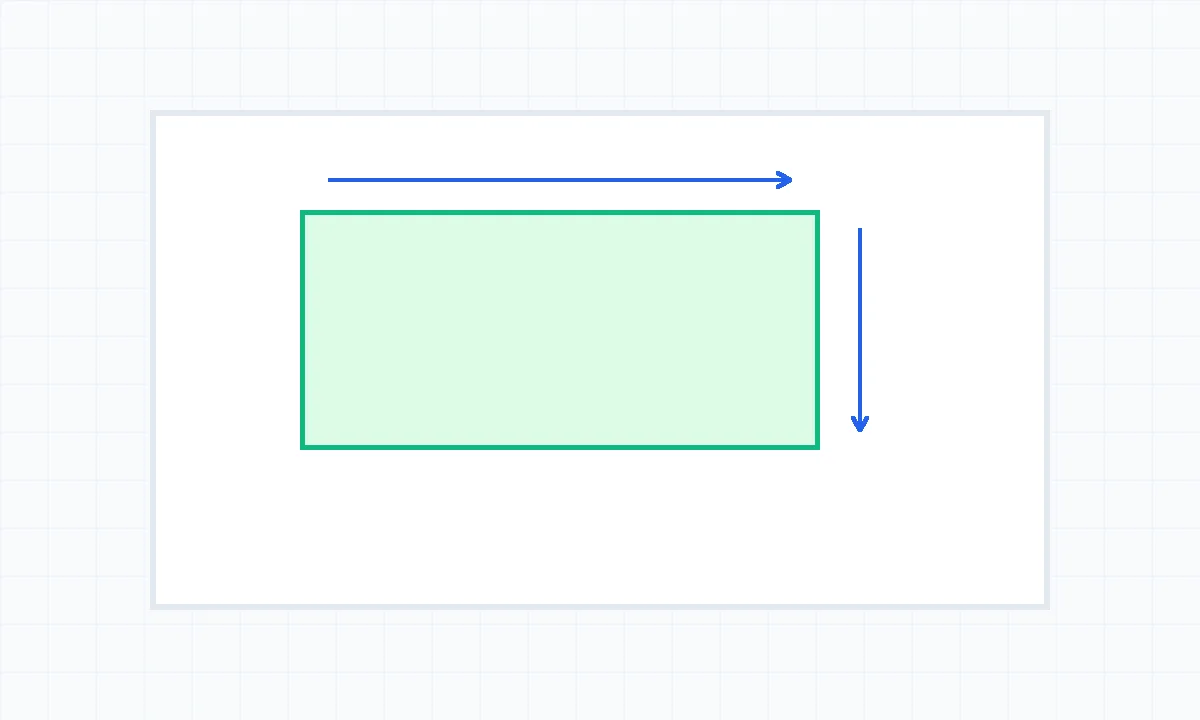
L-Shaped Room
An L-shaped room should be divided into two rectangles that do not overlap. Measure each section separately, calculate each rectangular area, and add them together. This is the standard way to calculate square footage of an L-shaped room for kitchens, open-plan spaces, and awkward additions because it preserves the real geometry of the floor.
The practical question is not just how to calculate the number, but when to use that formula. The correct square footage formula depends on the shape you measured, not on the project type. Flooring, tile, paint, and listing work all depend on matching the right formula to the actual layout first.
Total Area = Rectangle A + Rectangle B
Example: Rectangle A: 10 x 8 = 80 sq ft; Rectangle B: 6 x 4 = 24 sq ft; Total = 104 sq ft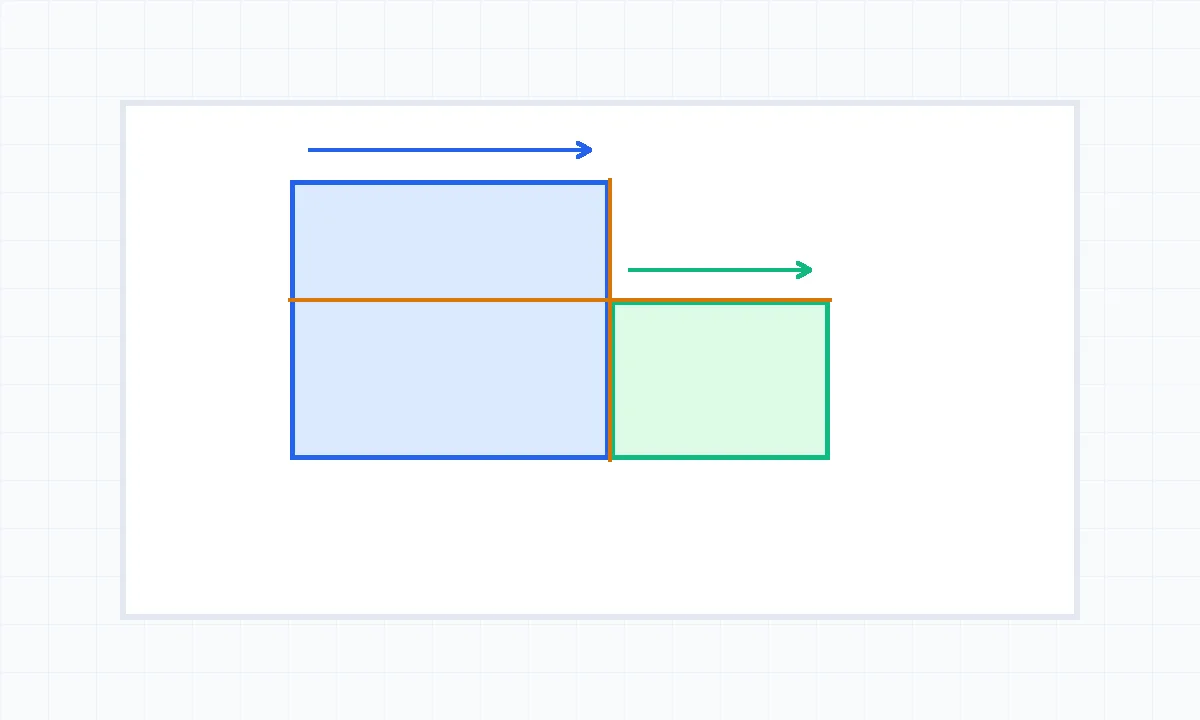
Triangle-Shaped Area
Triangle areas show up in angled corners, dormer spaces, and odd outdoor beds. The important measurement is the height drawn perpendicular to the base, not a sloped side length. Once you have the correct base and height, multiply them and divide by two to get the triangle area in square feet.
The practical question is not just how to calculate the number, but when to use that formula. The correct square footage formula depends on the shape you measured, not on the project type. Flooring, tile, paint, and listing work all depend on matching the right formula to the actual layout first.
Area = (Base x Height) / 2
Example: Base = 10 ft, Height = 8 ft, Area = 40 sq ft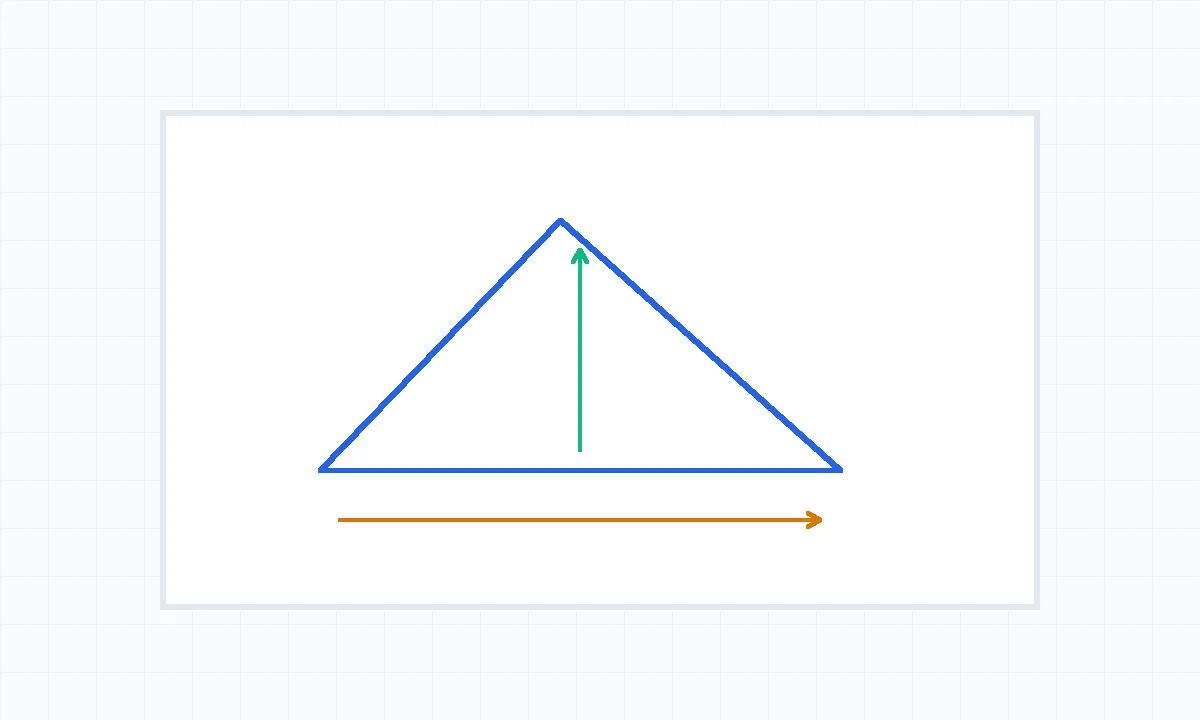
Circular Room or Area
Circular spaces and round features use the circle formula instead of length times width. Measure the radius from the center to the edge, square that number, and multiply by pi. If you only know the diameter, divide it by two first to get the radius before calculating the area.
The practical question is not just how to calculate the number, but when to use that formula. The correct square footage formula depends on the shape you measured, not on the project type. Flooring, tile, paint, and listing work all depend on matching the right formula to the actual layout first.
Area = pi x Radius^2
Example: Radius = 7 ft, Area = 3.14159 x 49 = 153.9 sq ft
Irregular or Odd-Shaped Room
The general rule for irregular rooms is to split them into regular shapes, calculate each piece with the right formula, and then add the results together. This method works for L-shaped rooms, bay windows, angled basements, and outdoor areas with curved or cut-in edges. If you want a faster workflow, try our square footage calculator for irregular rooms after sketching the sections.
The practical question is not just how to calculate the number, but when to use that formula. The correct square footage formula depends on the shape you measured, not on the project type. Flooring, tile, paint, and listing work all depend on matching the right formula to the actual layout first.
Total Area = Sum of all simple sections
Example: Rectangle + triangle + alcove section = total room square footage
If the layout still feels awkward after splitting it into sections,try our square footage calculator for irregular rooms.
How to Calculate Square Footage of a House
A house square footage total comes from measuring each room or finished area separately, then adding those areas together. The arithmetic is simple, but the reporting standard matters. A renovation estimate may include spaces that a real estate listing reports separately, so always match the total to the reason you are measuring.
That distinction matters more than many people expect. Someone calculating square footage for flooring may include an unfinished basement because material still needs to cover it, while a real estate listing may report that same basement outside the finished living area total. The math can be correct in both cases, but the category labels need to be clear.
Which Areas Count Toward Square Footage?
- Finished living rooms, bedrooms, kitchens, bathrooms, and hallways.
- Finished basement areas where local standards count them as living space.
- Enclosed sunrooms or finished attic areas that meet your reporting standard.
Which Areas Are Excluded?
- Unfinished basements, crawl spaces, and mechanical rooms.
- Attached garages unless the reporting standard specifically treats them separately.
- Open porches, decks, patios, and other exterior spaces.
- Areas with ceiling height below common finished-area standards.
How to Measure a Multi-Story House
Measure each floor separately, calculate each room area, subtotal each level, and then combine the levels if that matches your reporting goal. Example: ground floor 1,200 sq ft plus second floor 900 sq ft equals 2,100 sq ft total. If you want a cleaner workflow for that room list,calculate your total home square footage with the dedicated house tool.
A multi-story workflow also prevents one of the most common reporting mistakes: flattening a house into one guessed outside footprint. Each floor can have different room counts, finished areas, ceiling conditions, and exclusions, so it is better to build the total room by room and level by level.
How to Calculate Square Footage for Specific Projects
Square Footage for Flooring
Measure the room area first, then add waste before ordering material. A common straight-lay rule is order quantity equals room area times 1.10. If you need the order side of the math, open the flooring calculator.
Flooring is where the gap between area and order quantity becomes obvious. A room may measure 180 square feet, but the actual order can be closer to 198 square feet once waste is included. That is why square footage is the starting number, not always the buying number.
Square Footage for Tiling
Tiling starts with the same area formulas, but the order quantity also depends on tile size and waste percentage. Straight layouts often use 10 percent extra, while diagonal patterns can need 15 percent. If you need quantity math instead of just area math, use our tile calculator or the free tile calculator.
Tile projects also depend on the tile size itself, because the same room can produce very different counts when you switch from a 12 by 12 inch tile to a 12 by 24 inch tile. The area formula does not change, but the quantity conversion does.
Square Footage for Painting a Wall
Wall square footage equals wall width times wall height, then you subtract openings such as doors and windows. A standard door removes about 20 square feet and a typical window removes about 15 square feet. One gallon of paint often covers 350 to 400 square feet, which is why the paint calculator for your room treats wall area separately from floor area.
This is a good reminder that square footage is always surface-specific. A floor area number is useful, but it is not the same thing as wall area or ceiling area. Project estimates become more accurate when each surface is measured with the formula that matches the actual material being applied.
Square Footage for Landscaping or Outdoor Areas
Outdoor areas use the same formulas as indoor rooms. Rectangular lawns use length times width, triangular beds use base times height divided by two, and curved spaces are best approximated with simpler shapes. The goal is the same: turn a footprint into an area number that supports budgeting, materials, and layout planning.
Outdoor measurement often feels less precise because beds and borders curve more than interior rooms, but the same logic still works well. Approximate the space with simple sections first, then total the results instead of trying to invent one complicated formula for the whole site.
Square Footage Conversion Reference
Conversion matters when a drawing, contractor quote, listing, or international spec uses another unit. The safest approach is to calculate the base area first and convert the final number afterward, rather than mixing conversion steps into the original room measurements.
| Conversion | Formula | Example |
|---|---|---|
| Square Feet to Square Meters | sq ft x 0.0929 | 100 sq ft = 9.29 sq m |
| Square Meters to Square Feet | sq m x 10.764 | 50 sq m = 538.2 sq ft |
| Square Feet to Square Yards | sq ft / 9 | 180 sq ft = 20 sq yd |
| Square Yards to Square Feet | sq yd x 9 | 20 sq yd = 180 sq ft |
| Square Feet to Square Inches | sq ft x 144 | 1 sq ft = 144 sq in |
| Square Inches to Square Feet | sq in / 144 | 288 sq in = 2 sq ft |
Square Feet to Square Meters
Multiply square feet by 0.0929 when a floor plan, international spec, or metric contractor quote needs the result in square meters instead of square feet.
Square Feet to Square Yards
Divide square feet by 9 to convert into square yards. This is common in some landscaping, fabric, and surface-coverage discussions where square yards are the reporting unit.
Square Feet to Square Inches
Multiply square feet by 144 to convert to square inches. This is useful when you are comparing room area to smaller material formats, niche dimensions, or product specs that are listed in inches.
Common Mistakes to Avoid When Calculating Square Footage
Most square footage mistakes are not complex math errors. They usually come from inconsistent measuring, incorrect unit conversion, or reporting the wrong spaces in the total. Avoid these common issues:
- Measuring in inches but forgetting to convert to feet before calculating area.
- Including wall thickness in the floor area measurement instead of using interior dimensions.
- Forgetting to add waste when ordering flooring or tile after the room area is calculated.
- Leaving out closets, alcoves, bay windows, or other small sections that still affect the total.
- Using outside building measurements when the goal is interior finished living area.
- Treating a multi-story home as one floor instead of measuring each level separately.
Most of these errors disappear when you measure carefully, keep your units consistent, and label each room clearly before you total anything. A calculator can speed up the arithmetic, but it cannot rescue unclear measurements or a room list that mixes finished living space with unrelated excluded areas.
When the final number will drive a purchase or a listing, a quick second pass is usually worth more than trying to save two minutes during the first measurement.
Frequently Asked Questions
How do I calculate square footage of an irregular room?
+
Divide the irregular room into smaller regular shapes such as rectangles or triangles, calculate the area of each section separately, and then add the totals together. This is the most reliable method for L-shaped rooms, bay-window spaces, and layouts with alcoves because it keeps the math visible instead of forcing the room into one guessed rectangle.
Does square footage include walls?
+
No. Square footage usually refers to floor area measured from the interior dimensions of the room, wall to wall at floor level. The thickness of the walls is not added to the floor area measurement. For real estate, renovation, and material planning, the important point is to stay consistent about whether you are measuring finished interior area or the broader outside footprint.
How do I calculate square footage for flooring?
+
Measure the room length and width in feet, multiply them to find the base area, and then add a waste allowance before ordering material. A straight flooring layout often uses about 10 percent extra, while diagonal or pattern-heavy installs can use 15 percent or more. The flooring calculator on this site handles that order-quantity step automatically once the room area is correct.
What tools do I need to measure square footage?
+
A tape measure is enough for most rooms, but a laser distance measurer can be faster and more consistent in larger spaces. You also need a way to record room names and dimensions clearly so you do not mix up measurements from different areas. For irregular rooms, a sketch of the layout helps you split the space into simpler shapes before calculating the total area.
How accurate does my square footage measurement need to be?
+
For flooring, tile, and paint planning, measure as accurately as you reasonably can and then apply a waste factor where appropriate. Small rounding errors can become noticeable once material is ordered. For real estate and appraisal work, you should also follow local listing or measurement standards, because the issue is not only arithmetic accuracy but also which spaces are included in the reported total.
What is the difference between square footage and square meters?
+
Square footage is the imperial area unit used mainly in the United States, while square meters is the metric area unit used in many other countries. They describe the same idea, just in different systems. One square meter equals about 10.764 square feet, and one square foot equals about 0.0929 square meters.